Icon of Stadium Architecture Renewed as an International Arena
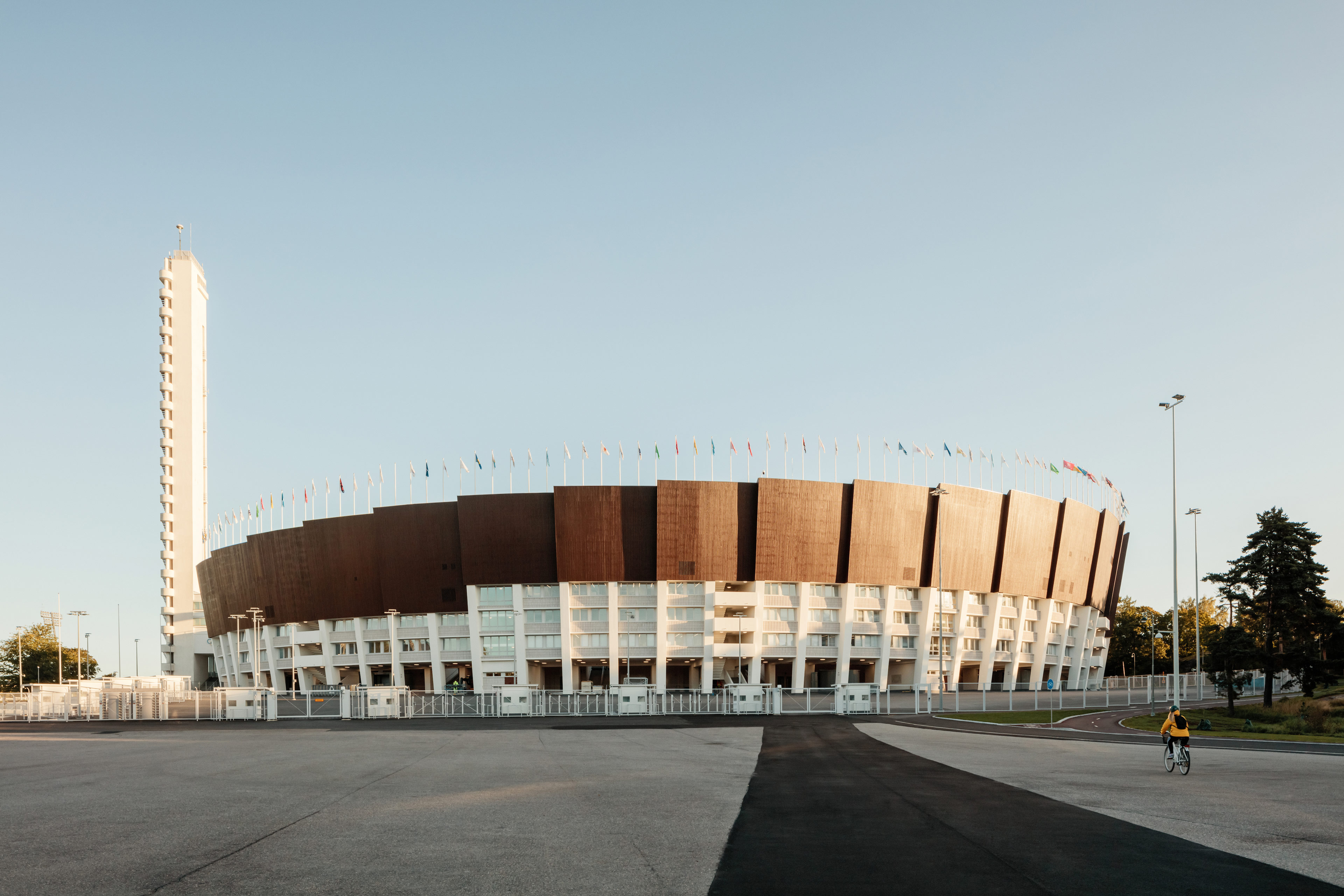

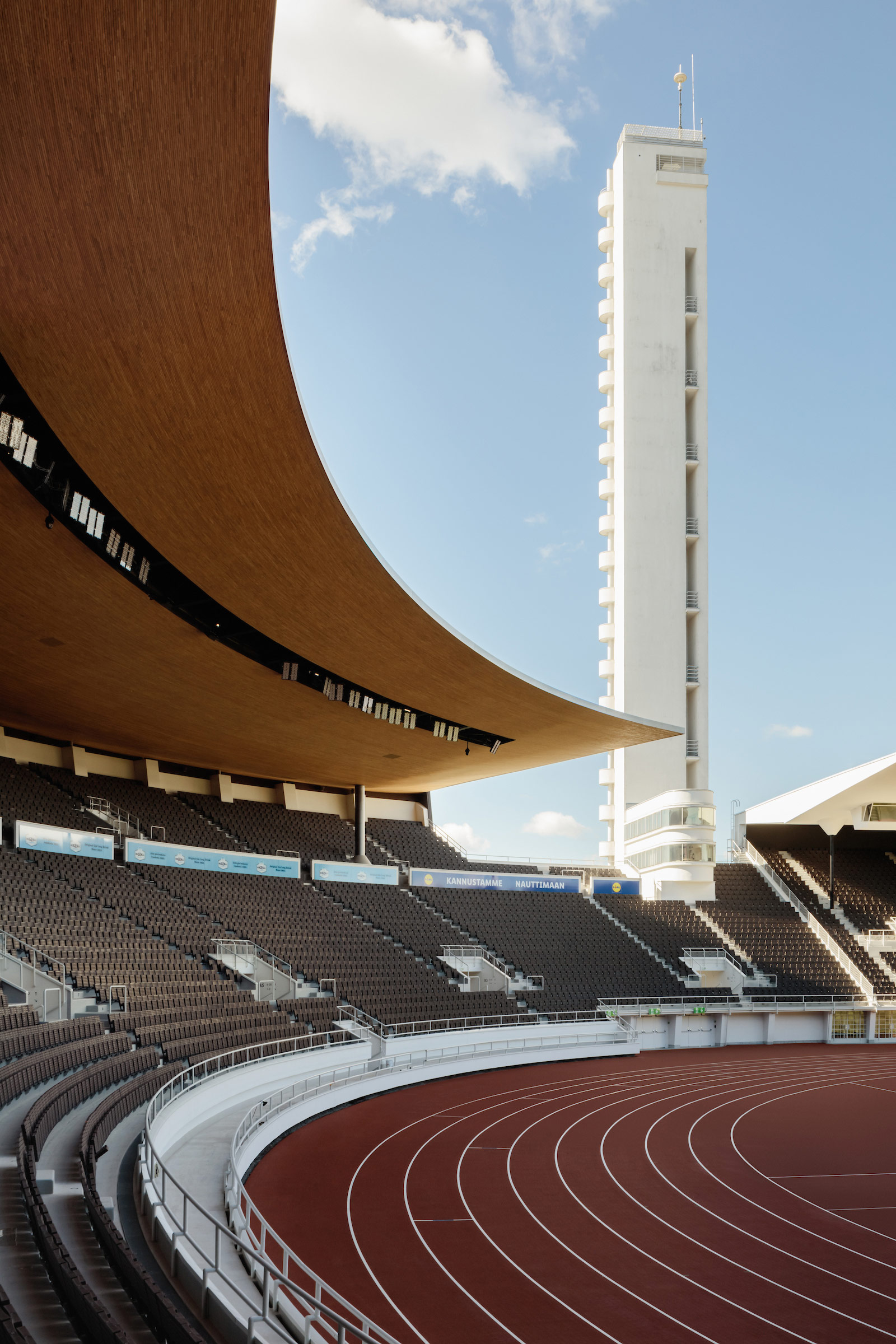
Sport is at the heart of the Stadium. The design was guided by strict requirements and international standards, with experts from multiple fields collaborating closely with user groups. The stands were rebuilt, and the geometry of the track and field was adjusted to the World Athletics model. The field was repositioned to ensure all competition areas met federation requirements.


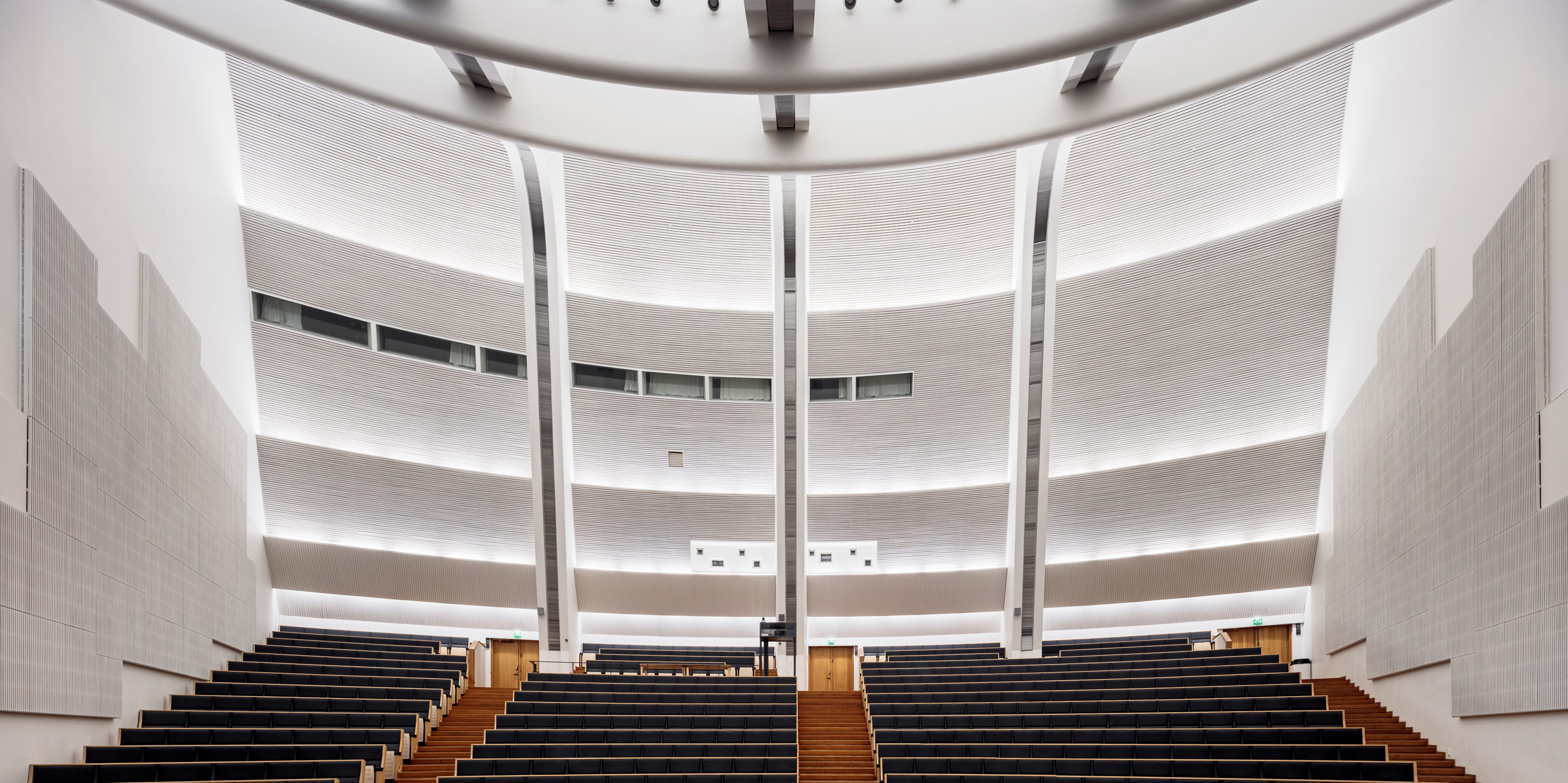
Today the stadium bowl hosts major events year-round while also functioning as a daily facility. The Sports Museum, conference spaces, a restaurant, and the tower’s observation deck serve visitors, while training groups, local clubs, and offices beneath the stands keep the building in constant use.

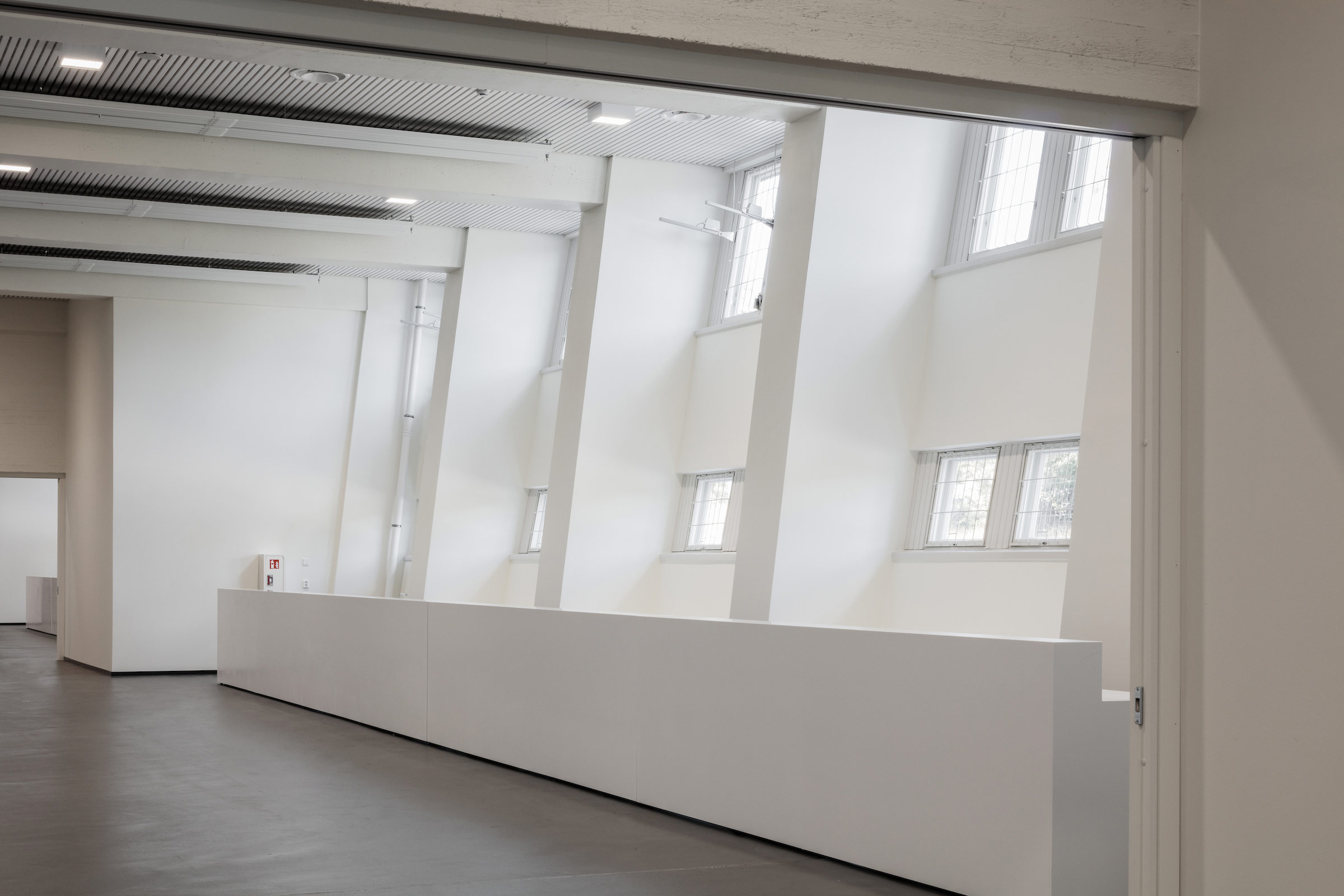

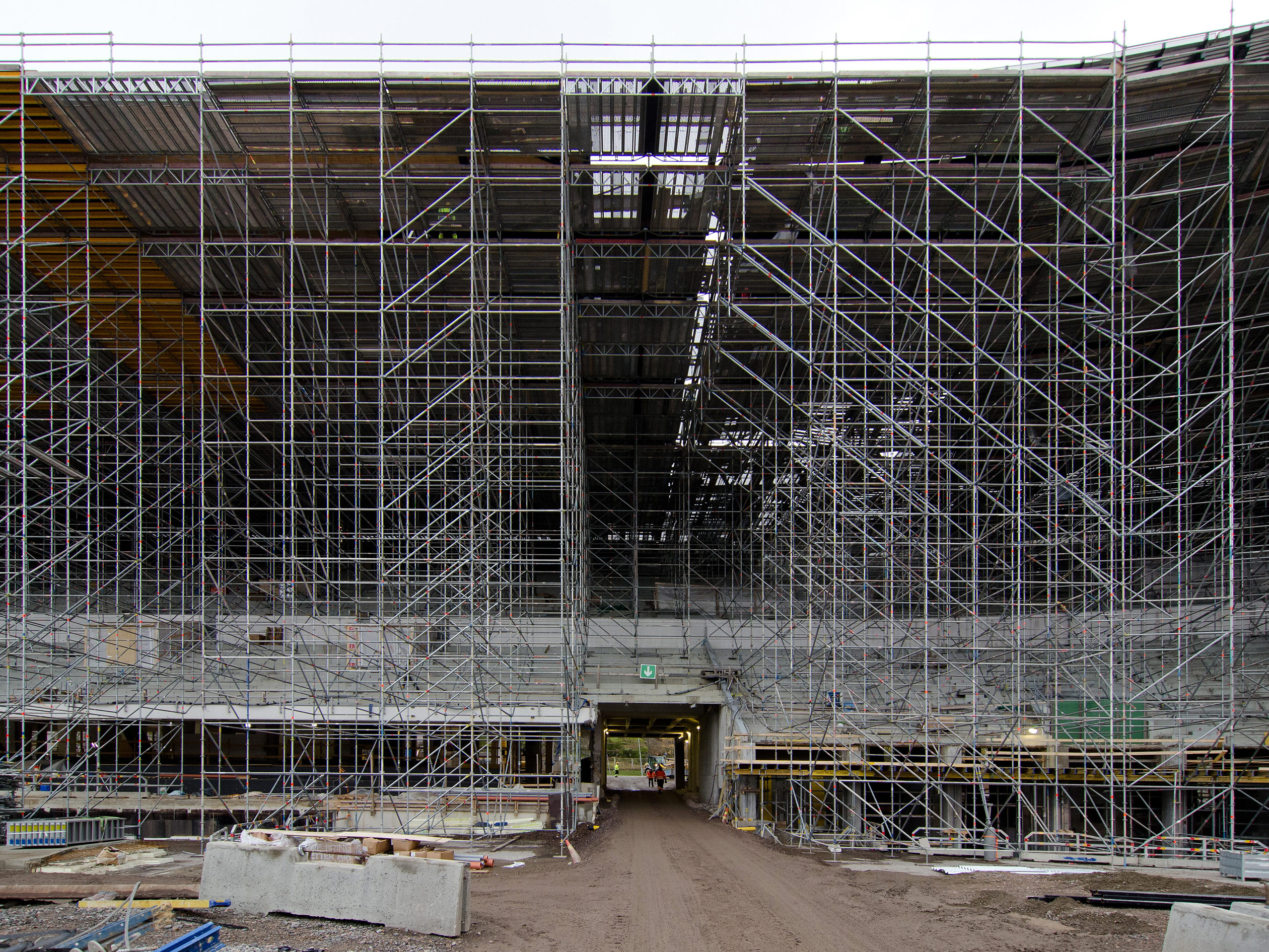
The multi-year project was highly complex, encompassing not only spectator and sports facilities but also extensive technical and logistical upgrades. Central to the design was reorganizing visitor circulation and service logistics for large events.
As in many large-scale refurbishments, much of the work remains hidden. At the Olympic Stadium, however, the most significant interventions literally occurred underground. Approximately 20,000 m² of new facilities were excavated beneath the courtyards, while a technical tunnel was constructed beneath the running tracks. This tunnel functions both as a training track and as a service corridor for major event logistics.
The project met demanding requirements while preserving the Stadium’s architectural essence—a carefully maintained balance of monumental presence and refined detail.

Other work

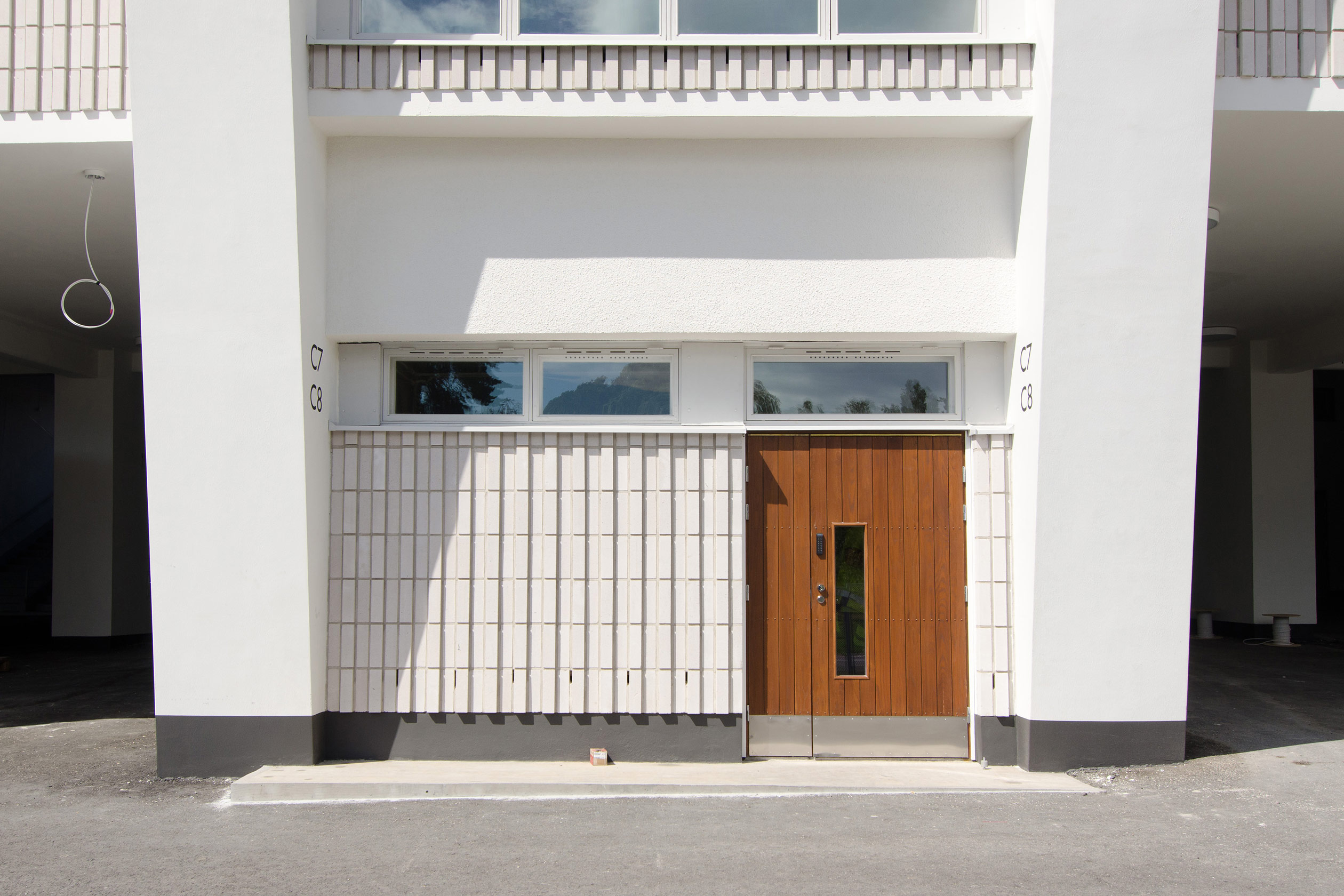
Kallio Elementary School
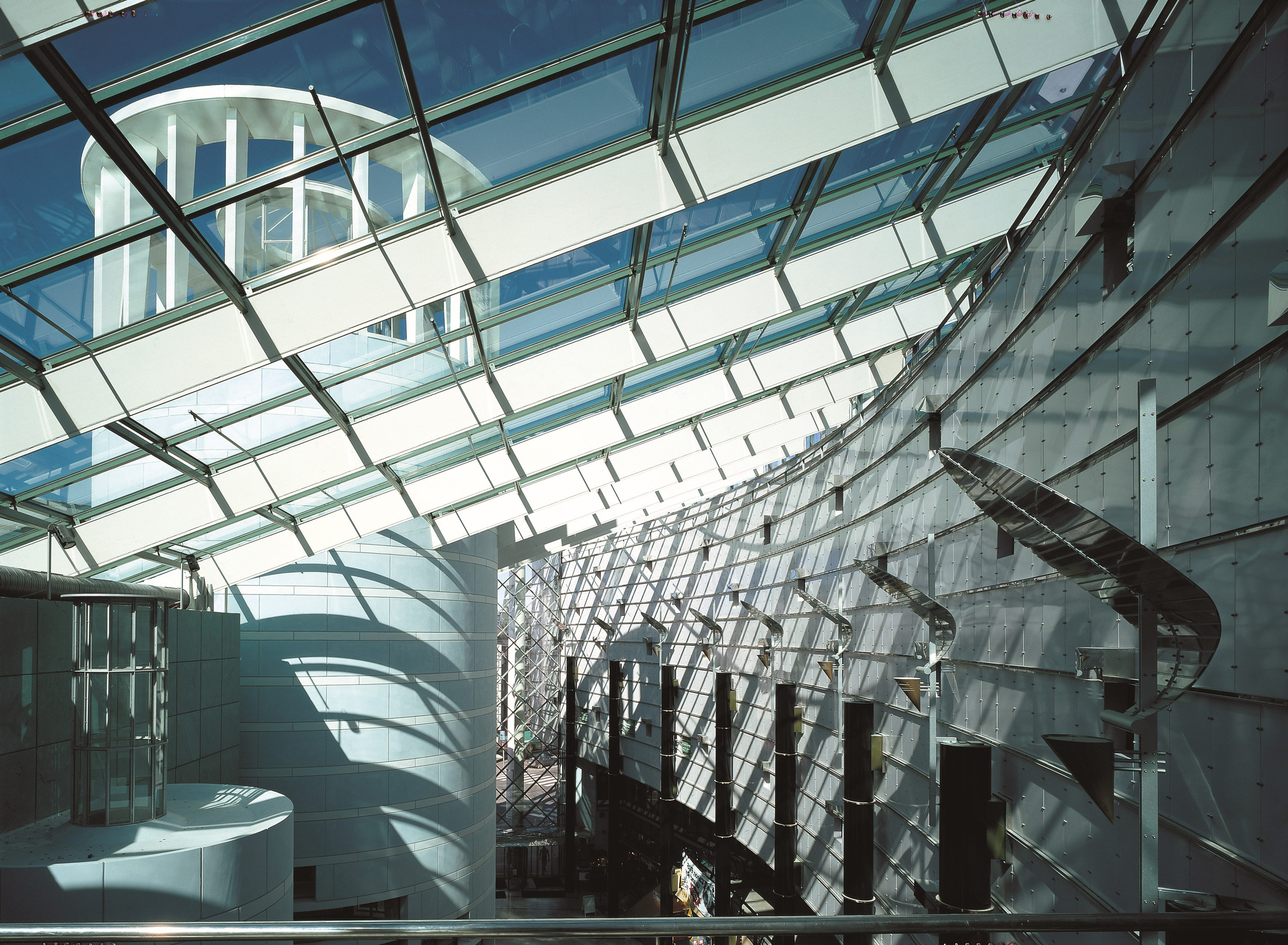
BePOP shopping center